Herbal basics

New to tinctures?

Sprigs uses whole traditional herbs, and the tinctures contain no added sugar, flavoring or sweeteners. Just real herbs, prepared the traditional way.

What a tincture really is

Tinctures are prepared by soaking herbs in a liquid, referred to as the menstruum or soaking agent. The plant parts soak for several weeks. During that time, the liquid pulls out active constituents that are in that particular herb.

Each specific herb has an optimum soaking time to get the active constituents released into the liquid. Making coffee is a similar process, where water is used as the extracting agent. The longer the coffee sits in the liquid, the stronger it gets.

That is why a few drops of tincture can be so concentrated. It is not watered down. It is not stretched out. It is strong, on purpose.

Menstruum
The liquid the herbs soak in. Common menstruums include alcohol and vegetable glycerin.
Glycerite
When vegetable glycerin is the menstruum, the end product is often called a glycerite rather than a tincture.
1

Start with real herbs

Whole herbs go into either grain alcohol or vegetable glycerin.

2

Let them soak

Weeks of steeping pull the plant's active constituents into the liquid.

3

Bottle it as it is

Strained and bottled, with nothing added to mask the taste.

Sometimes the bitter taste is the whole point

For some herbs, the bitter taste is not just something to put up with. It is part of how the herb helps you.

Your body notices bitterness not just on your tongue, but all through your stomach and gut. When something bitter hits those spots, it tells your body to get ready to digest food. Your body starts making more saliva, more stomach acid, and more bile, which all help break down your meal.

Bitter herbs have been used before meals for generations to help the body digest well.

Two kinds of tinctures

Not every tincture at Sprigs is made the same way, and that changes the taste too.

Grain alcohol

Bold and traditional

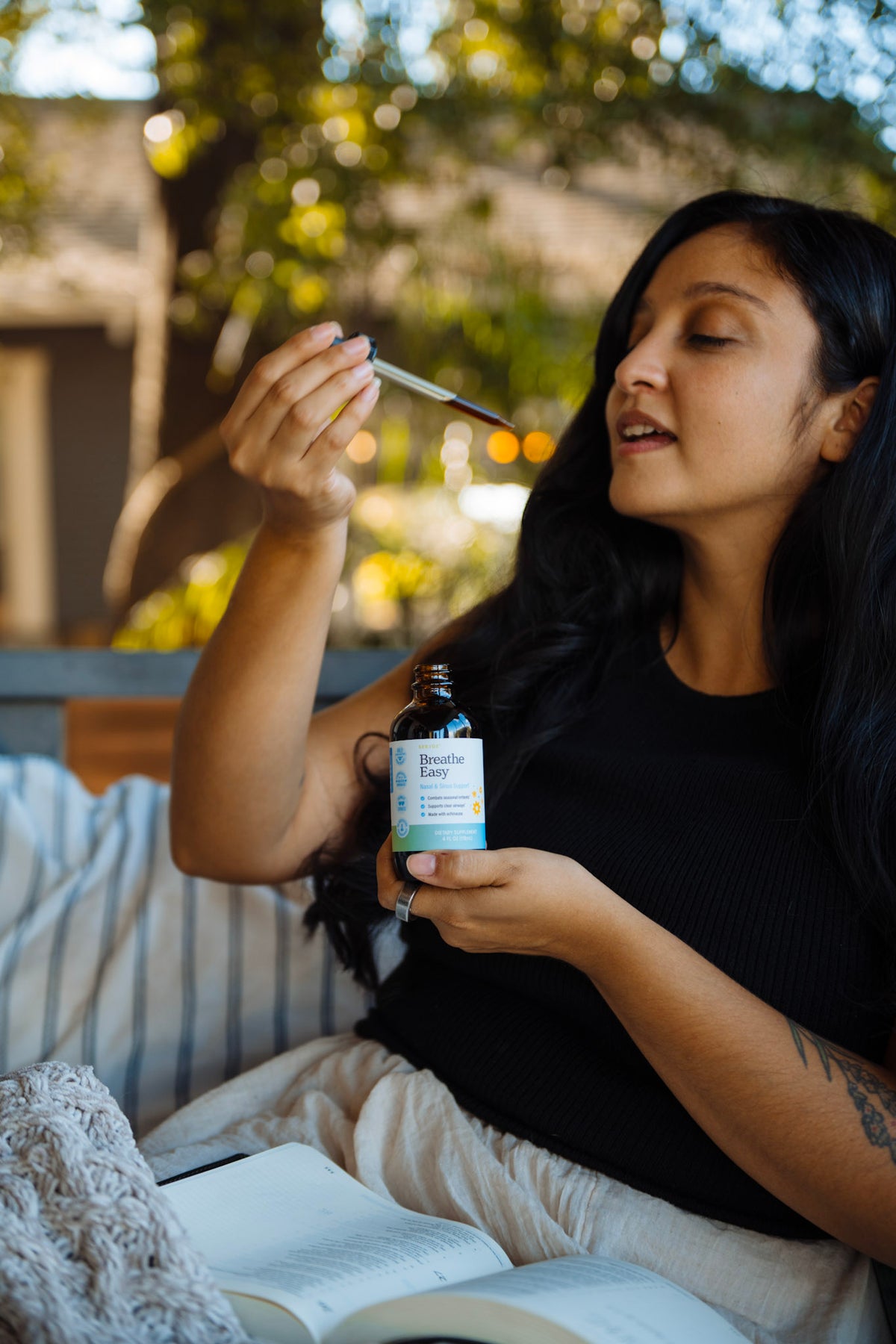
Some of our tinctures, like Breathe Easy, are made with grain alcohol. Alcohol is very good at pulling a wide range of constituents out of herbs, but it also brings out more bitterness and a sharper taste.

Shop Breathe Easy
Vegetable glycerin

Gentle and kid-friendly

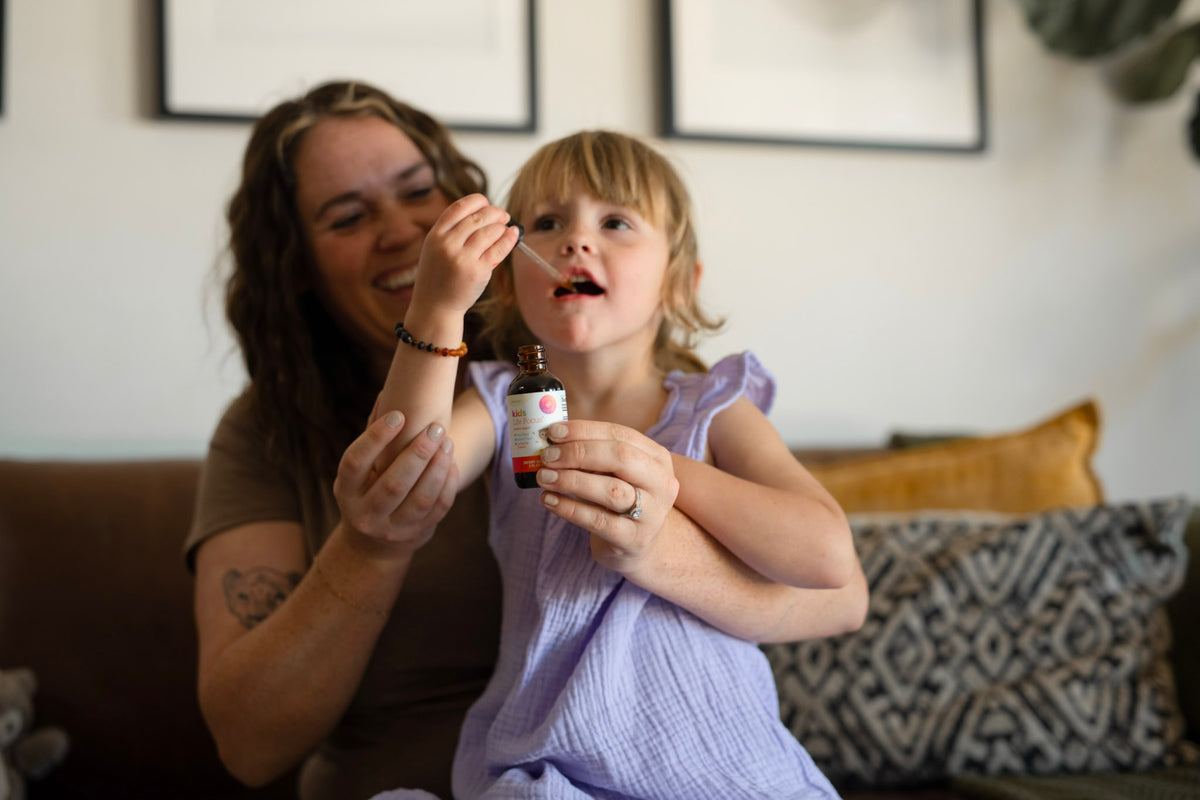
Glycerin is naturally sweet, so these tinctures taste much gentler. Our kids line is made with glycerin instead of alcohol. It is alcohol-free, gentle and naturally sweeter, which makes a big difference when you are trying to get a little one to take their drops without a fuss.

Shop the kids line

If you would rather not take it straight

  • Stir it into a small glass of water.This is the easiest way to soften the taste, and it does not affect the tincture.
  • Try it in juice instead.A little apple or grape juice covers up bitterness nicely, especially for kids.
  • Take bitters on their own.If you are using something like Daily Digestive Bitters, take it straight or with just a small sip of water so it can do its job properly.
  • Give it time.Many people find the taste bothers them less the more they take it, especially once they notice it helps.

How long they keep

Made well and stored well, a tincture lasts years. The same alcohol or vegetable glycerin that pulled everything out of the herbs is what keeps it steady in the bottle.

Alcohol and water

5 to 6 years

Glycerin, water and alcohol

4 to 5 years

Glycerin and water

3 to 4 years

None of ours need refrigerating. A cupboard or pantry is ideal. Somewhere cool, dark and out of the sun. What shortens a tincture’s life is light, heat, moisture and big swings in temperature.

That is part of why ours come in amber glass: it keeps most of the light out. Keep the cap on tight between doses, stand the bottle upright, and keep it away from the stove or a sunny windowsill. Never freeze them.

One small habit helps more than you would think: try not to let the dropper touch your tongue, a spoon or the rim of a glass before it goes back in the bottle.

Tinctures rarely turn, but trust your senses. If one goes cloudy, smells sour or musty, grows any film on the surface, or shifts colour in a way that looks wrong, let it go.


We could make our tinctures taste "more pleasant", but that would mean watering down the active constituents or adding things that do not belong in a clean herbal extract. So the next time a tincture makes you pucker, take it as a good sign. That is the herb doing its job.